

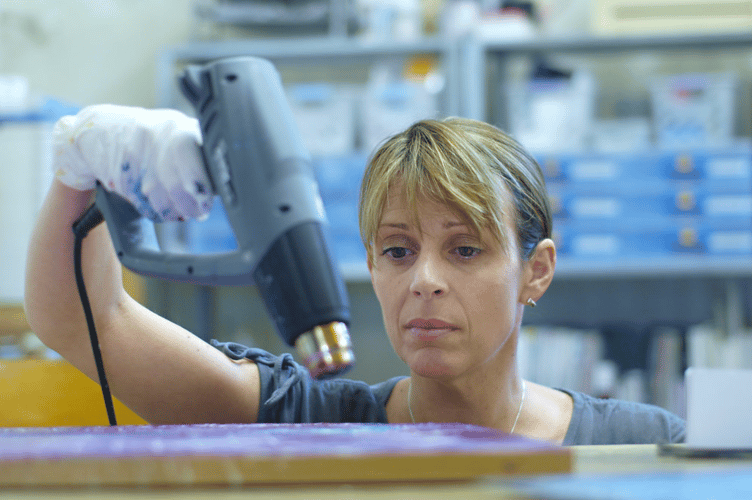
THERE was an artistic hive of activity online as a wax artist from Bude helped create a showcase to shine a light on an ancient technique.
A free online exhibition entitled ‘The Art of Place’, featured artwork by 20 encaustic wax artists, including work by Bude artist Julie Wrathall.
The art of encaustic painting is famous for producing some of the longest surviving and best preserved portraits - the ‘Fayum mummy portraits’. The technique uses heated beeswax, damar resin, and pigments and is applied in a molten form to surfaces like wood.
Taken from the Greek word enkaustikos, meaning “to burn in,” encaustic painting first appeared in the 4th-century BCE. It was used to waterproof ships by the ancient Greeks until artists combined it with pigment and used it as paint.


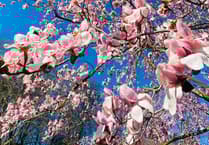

The artists were prompted to use this ancient technique to paint their personal responses to the places in the UK that they call home. They used encaustic wax to capture their own legacies and preserve their memories of home - in turn creating a collective map of ‘belonging’ across Britain.
The Art of Place has been funded by ‘International Encaustic Artists’ (IEA) based in the USA. The exhibition is the culmination of the ‘Encaustic Hive UK’ project which was set up by encaustic artist and instructor Julie, and Lyn Kirkland, with support from encaustic artists Mitch Schofield, Mel Williams and Gill Barrett.
Julie, who also teaches encaustic workshops, says she loves it when students tell her they are inspired and love this new found medium.
“Creating and teaching encaustic art lights me up like no other art form,” she said. “When Lyn Kirkland and I received a grant from ‘International Encaustic Artists’ in the USA, we knew we wanted to use it to bring together the encaustic community in the UK and try to increase awareness of encaustic here.”
Comments
We've recently changed our login process. If you have an account for commenting, you will need to re-register on the login window.
This article has no comments yet. Be the first to leave a comment.