
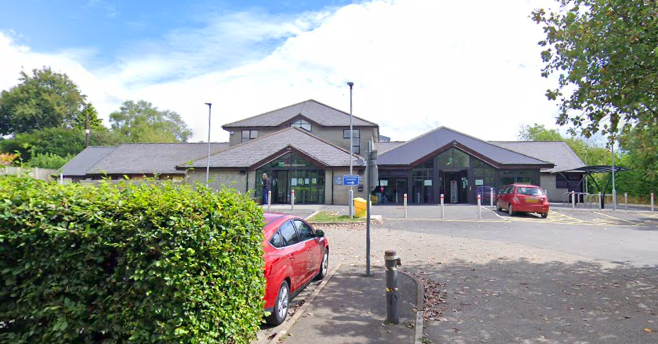
THE medical centre in Launceston has issued guidance following the outbreak of meningitis in Kent.
Launceston Medical Centre (LMC) has advised residents of what is being done locally to ensure the community is protected from the disease.
It comes after a sudden rise in the number of cases of meningococcal disease at the University of Kent, which has resulted in two deaths. Launceston Medical Centre has confirmed that there is no outbreak within the area, however, the centre has provided guidance to those who may be concerned about the disease.
A spokesperson from the centre said: “UKHSA is working to contain the outbreak and is giving prophylaxis antibiotics to close contacts. No new advice has been issued about accessing the Meningitis B vaccine, known as MenB, for the wider public.”


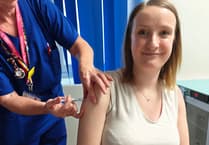

All vaccine recommendations in the UK are monitored and decided by the Joint Committee on Vaccination and Immunisation (JCVI). The JCVI reviews all cases of vaccine preventable disease, national data, and emerging risks.
However, LMC has stated there are currently no plans to offer the MenB vaccine outside of the routine infant schedule.
A spokesperson added: “The MenB vaccine offers protection against meningococcal group B bacteria, which are a common cause of meningitis in young children in the UK.
“Children receive Hib/MenC at one year of age, which provides early protection. In Year 9, young people are offered the MenACWY vaccine. MenACWY provides protection during the later school years and into work/college/university, where risk is higher.
“This means most secondary school aged children already have strong protection against the meningococcal strains of greatest concern in teens and young adults.”
Despite no local outbreak, the medical centre is encouraging parents of young people to proactively check their child’s vaccination history and ensure they are fully up to date with the UK schedule, especially their Year 9 vaccines.
There are also a number of symptoms that residents can stay on the lookout for.
A spokesperson continued: “Know the symptoms of meningitis include: rash that doesn’t fade with pressure, high fever, severe headache, stiff neck, vomiting, cold hands or feet, and confusion.”
The centre has urged anyone who spots any of these symptoms to seek urgent medical help.
The UK Health Security Agency has expressed that it is continuing to investigate an outbreak of meningococcal disease in Kent. As of 5pm on March 17, the organisation confirmed that there had been a total of nine laboratory cases, with a further 11 notifications remaining under investigation, bringing the total to 20.
A spokesperson for the UKHSA added: “This is a rapidly evolving situation and there may be further cases as those with symptoms are encouraged to seek medical advice.”
Comments
This article has no comments yet. Be the first to leave a comment.