
AT a Cornish secondary school, all 1,100 pupils have just taken part in a local election.
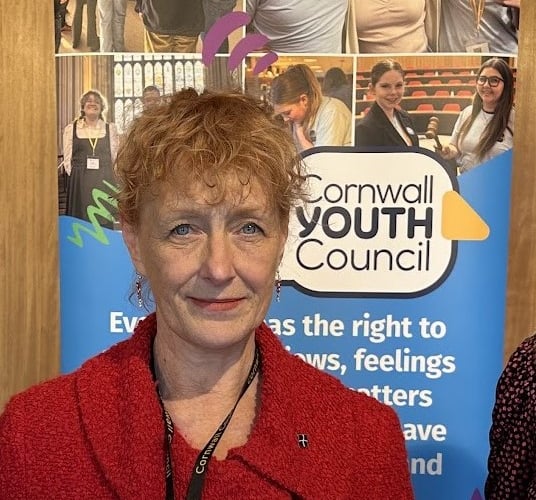
Over their two-year term, those young councillors will meet directly and regularly with council officers and elected members of Cornwall Council, including councillors with a few more years’ experience, to help shape our discussions and decisions.
This way of working sits at the heart of Cornwall Council’s commitment to the United Nations Convention on the Rights of the Child, particularly the right of children and young people to be heard on matters that affect them. Cornwall is one of the first local authorities in England to formally adopt the Convention, sending a clear message that children’s rights are part of how we work, not an optional extra.



There are no candidate names on the Youth Council ballot papers, only manifesto pledges. This keeps the focus firmly on ideas and ensures candidates from smaller schools are not disadvantaged. The same principle of fairness runs through the wider work of the Youth Council, shaping the way young people work with us on real issues.
But fairness on paper is not enough. If we want young people to understand that their voices matter, we also have to be clear about what happens next. This matters, because in conversations with young people, their big ambitions are often accompanied by very practical worries, like how to get to college or where to find help when things feel overwhelming.
Meeting those everyday concerns depends on support being easy to access and close to home, which is not always straightforward in the current financial climate. Careful planning allowed us to draw up a balanced draft budget, but late changes to national funding and growing pressures in adult social care have made those decisions harder and the choices more constrained.
One practical response is our new Liskeard Youth Hub, one of three being developed by Cornwall Council in partnership with the Department for Work and Pensions. The hubs will support 16 to 24-year-olds who are not in education, employment or training, bringing together skills training, mental health support and routes into work.
Alongside this, Cornwall Council has committed to continue funding the Youth Engagement Project until at least August, supporting young people who face additional barriers, like social or emotional challenges. One of the delivery partners is Plymouth Argyle Community Trust, whose experience shows that sport is another effective way of engaging young people and building trust.
As Liberal Democrats, we believe fairness starts with how decisions are made. Even in tough times, I want our budgets to show that young people are listened to and that their views are taken seriously. If young people can see that their involvement leads to real outcomes, they are far more likely to stay engaged and feel that local democracy is something worth taking part in.
Comments
We've recently changed our login process. If you have an account for commenting, you will need to re-register on the login window.
This article has no comments yet. Be the first to leave a comment.