
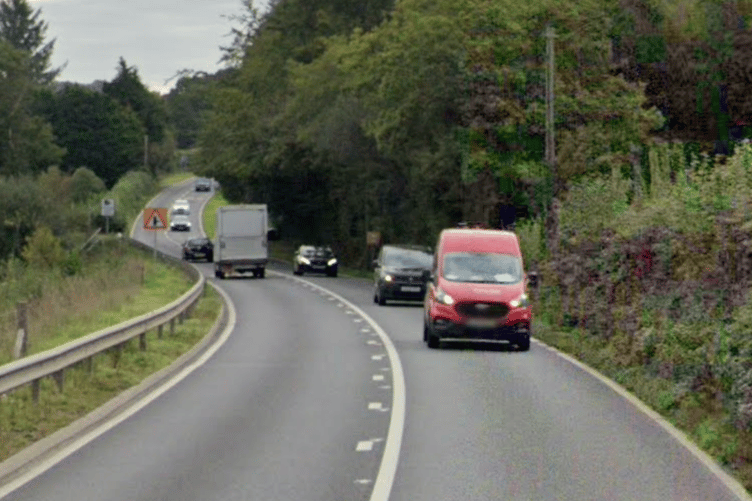
A 45 per cent drop in deaths and serious injuries on the A38 through the Glynn Valley has been revealed, delivering a decisive blow to claims that average speed cameras make the road less safe.
New figures released by National Highways show that the notorious stretch of the A38 between Dobwalls and Bodmin has seen a dramatic and sustained improvement in safety since the cameras were installed.
Analysis of five years of collision data shows that between June 2020 and May 2025 there were just 12 serious or fatal crashes on the Glynn Valley section of the road. In the five years before the cameras were switched on, there were 22. Campaigners say the reduction is clear, consistent and impossible to dismiss.
Before the introduction of average speed cameras, the Glynn Valley carried a Killed and Seriously Injured (KSI) rate 2.5 times higher than the national average, earning it a grim reputation among drivers and local residents alike.



Local road safety group Safe38 says the data proves the cameras are working. Chair James Millidge said the scale of the improvement shows the change is not down to chance.
He said: “This isn’t just an anomaly as the year-on-year peaks have been almost halved between the two data sets, demonstrating that these cameras have been incredibly effective and consistent at reducing deaths and serious injuries on this notorious stretch of road that had a KSI rate 2.5 times the national average before the camera installation.
“We can’t emphasise enough how positive this data is. It demonstrates unequivocally these safety measures have saved lives and improved people’s livelihoods.
“We have often been told (without any evidence) the cameras have made the road less safe, but nothing can be further from the truth. We know collisions do still occur, but when they do a lot of them are less severe than they might otherwise have been due to reduced speeds.”
National research supports the findings. A RAC Foundation report found such schemes reduce fatal and serious collisions by an average of 36.4 per cent. The Glynn Valley scheme, they said, is outperforming that figure.
Safe38 says the benefits go beyond road safety. Serious crashes often trigger lengthy and unplanned closures, causing gridlock across Cornwall and significant disruption to businesses, emergency services and daily life.
Mr Millidge added: “This is fantastic news. It means the road has performed better from a reliability perspective, as every serious collision results in long unplanned closures which have a dramatic negative impact on the region’s economy.
“We have no doubt we will see similar results in a few years’ time for the Trerulefoot to Carkeel section that not all that long ago had a KSI rate 3.5 times the national average.
“Sadly, people are still involved in serious collisions and Safe38 will continue to work in partnership with Vision Zero, our elected representatives, along with other key stakeholders to lobby National Highways for further safety improvements to known hot spots to bring the KSI rate down even further. The only acceptable KSI rate is zero.”
Comments
This article has no comments yet. Be the first to leave a comment.