
THE word ‘Beeching’ is a simple word, yet brings shivers down the spine to those who love railways, or railway history. It’s also brought a few headaches to successive governments since.
For the word ‘Beeching’ is synonymous with widespread carnage across the railway network, with multiple communities disconnected from each other with the closure of the railway lines - examples include North Cornwall, which has no railway stations in its geographical boundaries at all.
The Reshaping the Railways report of 1963, commonly known as the ‘Beeching report’ or the ‘Beeching axe’, identified 2,363 stations and 5,000 miles of railway line for closure across the United Kingdom, amounting to 55 per cent of stations and 30 per cent of route miles.
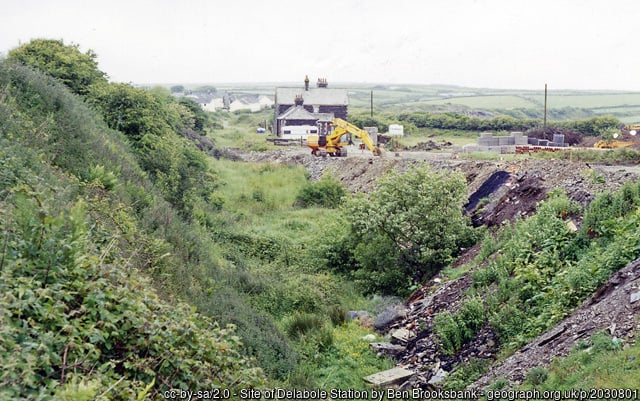
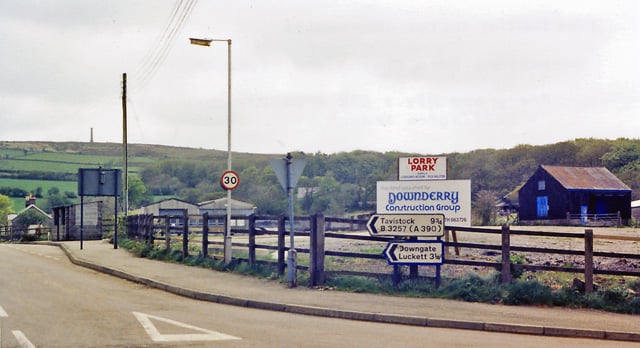
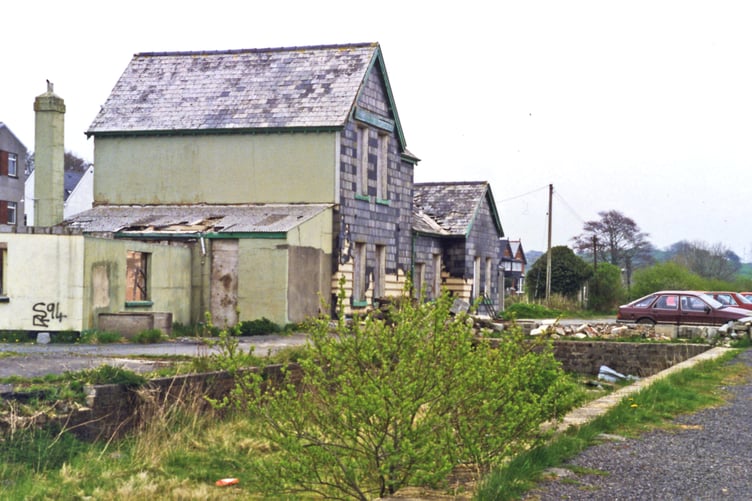
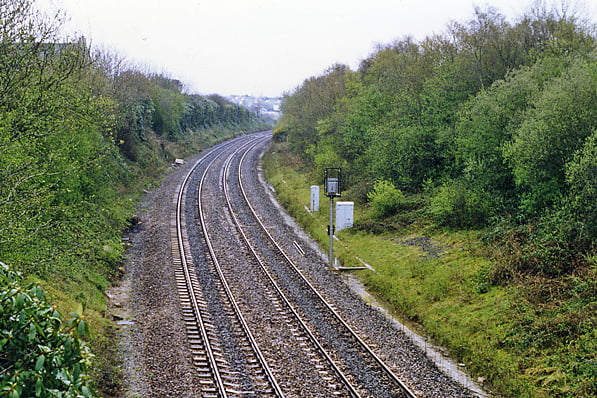
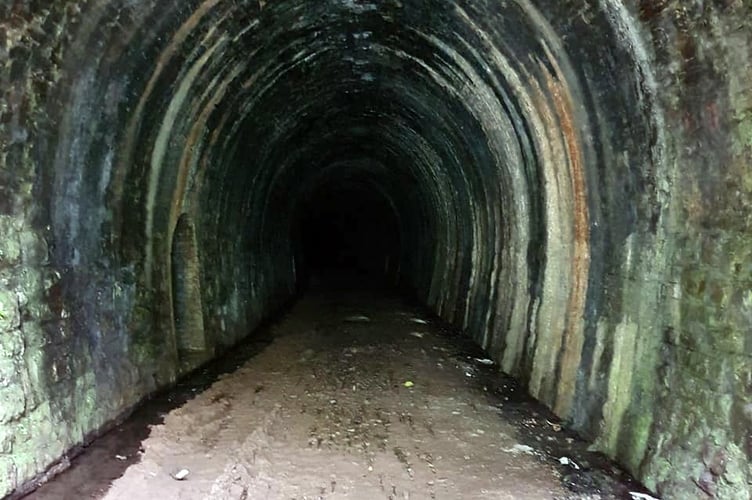
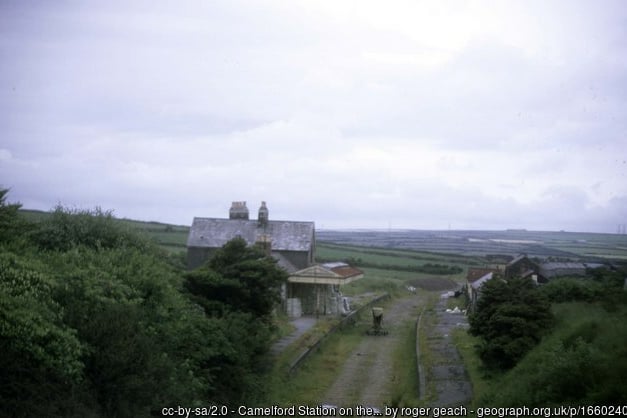
While the rails were often lifted for scrap shortly after closure, the abandoned railways often left scars in the landscape they had once travelled through, leading to scenes such as these at stations who didn’t survive Beeching’s axe.
 Looking Back: Ripe wild strawberries picked just five weeks before Christmas
 Looking Back: Carnivals, discos and a Sunday School festival from days gone by
 Looking Back: Rev William Ackroyd's centenary among community highlights
 Looking Back: Trophy awarded 100 years ago to first motorcyclist to exceed 100mph
Comments
We've recently changed our login process. If you have an account for commenting, you will need to re-register on the login window.
This article has no comments yet. Be the first to leave a comment.