
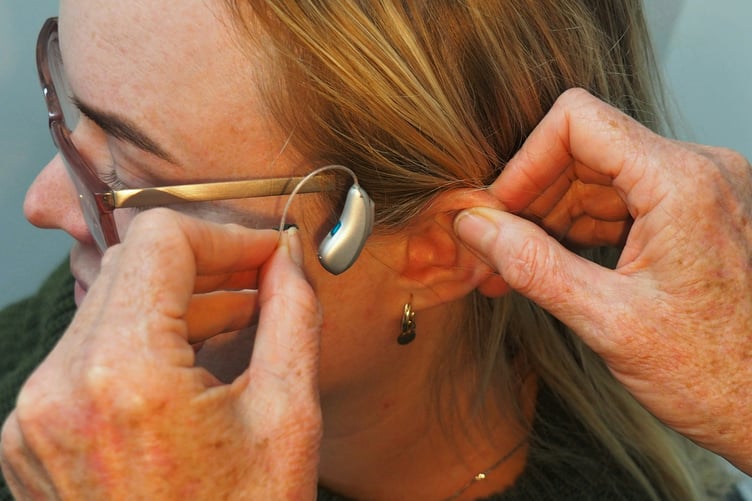
It’s time to think about your hearing health.
The annual day of awareness, World Hearing Day, is on March 3, and people across the globe are being encouraged to think about ways that they can protect, treat and care for their hearing.
In the UK, hearing loss is very common, with approximately 12 million adults being affected, or 1 in every 6 people.
Hearing loss is largely age-related, affecting more than 50 per cent of people aged 55 or over, and rising to nearly 80 per cent for those over 70.




The condition is highly treatable, with many options available. It is estimated that approximately 8 million people in the UK could benefit from hearing aids, with only about 2 million people using them currently.
The first signs of hearing loss can include needing the television to be louder, finding it difficult to hear when talking on the phone, struggling to hear people talking in a crowd, or feeling like you have to concentrate more on hearing what people are saying.
If you’ve noticed signs of hearing loss in yourself, the first step is to talk to a healthcare professional, who will be able to test your hearing and can advise you as to the best treatments for you.
Locally, there are plenty of healthcare professionals who can make sure that you are getting the hearing care that you need, from screening checks, to preventative measures and investigating causes of hearing loss.
The acronym ‘HEARING’ can be a useful tool in making sure that you are thoroughly caring for your hearing health.
Hearing screening and intervention
Get your hearing checked at regular intervals, especially if you have noticed signs of hearing loss. Early identification of hearing loss can prevent you from losing more of your hearing with early treatments.
Ear disease prevention and management
Even if you have not noticed signs of hearing loss, if you have any problems with your ears - including pain or discharge - be sure to consult a healthcare professional, as ear problems can lead to hearing loss.
Access to technologies
Technologies such as hearing aids, cochlear implants, and middle ear implants can benefit the majority of those with hearing loss. Ask an expert whether a hearing aid could work for you.
Rehabilitation services
Services that can be easily accessed, such as speech and language therapy, use of sign language and lip reading, can make a big difference.
Improved communication
Sign language interpretation; and captioning services to facilitate participation of people with hearing loss in all activities.
Noise reduction
Protect your hearing by keeping music and television at a safe volume, and by wearing earplugs or headphones in high-volume environments.
Greater community engagement
Engage in your community - odds are that there are people around you who are experiencing the same things that you are, and they may be able to recommend services that they have benefited from.
If you have questions or concerns about your hearing, get in touch with a hearing health professional.
The Parade, Liskeard, PL14 6AF
Get in touch: 01579 346694 / [email protected]
Comments
We've recently changed our login process. If you have an account for commenting, you will need to re-register on the login window.
This article has no comments yet. Be the first to leave a comment.